
Heat Pump Life Expectancy
A ducted air-source heat pump typically lasts 10 to 15 years, a few years less than a central AC, because it runs for heating and cooling. Ductless mini-splits and geothermal systems often last longer.
By Suraj Jha · Updated 2026-10-28
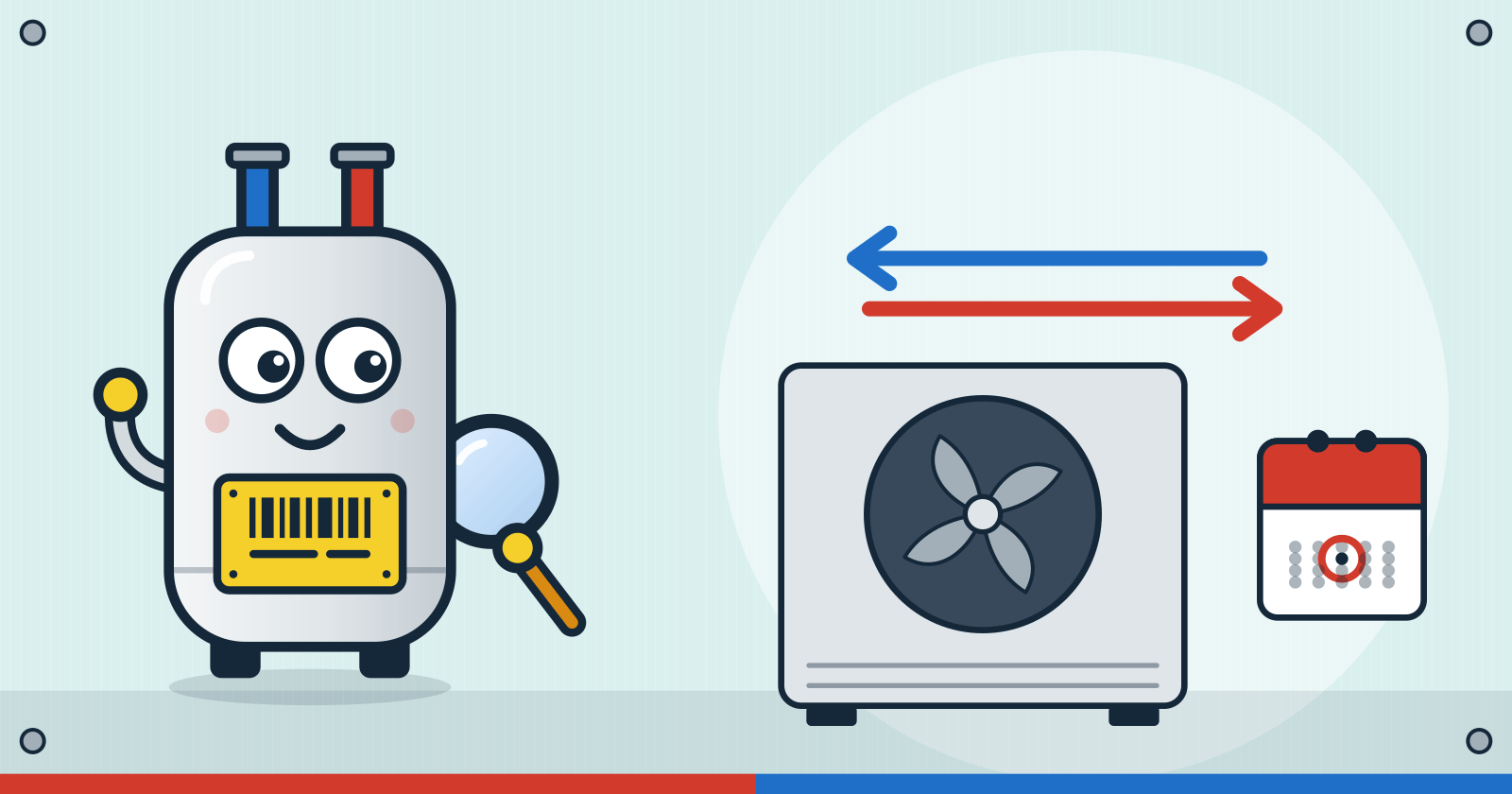
Heat pump lifespan by type
| Type | Typical life | Why |
|---|---|---|
| Ducted air-source heat pump | 10–15 years | Runs year-round outdoors |
| Ductless mini-split | 15–20 years | Inverter compressors, less ductwork strain, often lighter duty |
| Geothermal (ground-source), indoor unit | 20+ years | Indoors, stable ground temperatures |
| Geothermal ground loop | Several decades | Buried polyethylene pipe |
| Equipment | Typical life |
|---|---|
| Heat pump | 10–15 years |
| Air conditioner | 12–17 years |
Why heat pumps wear faster than air conditioners
A heat pump has the same main parts as a central AC (compressor, coils, fan, refrigerant circuit) plus a reversing valve that switches it between cooling and heating. In most US climates that means:
- More running hours. An AC might run a few months a year; a heat pump runs in summer and winter.
- Defrost cycles. In cold, damp weather the outdoor coil frosts over, and the heat pump briefly reverses to melt it. Each defrost cycle is a pressure and temperature swing for the compressor.
- Cold-weather stress. Older single-speed heat pumps work hardest at low outdoor temperatures. Cold-climate models handle this better.
What makes a heat pump last longer
- Correct sizing. An oversized heat pump short-cycles in mild weather, and an undersized one runs nonstop in extreme weather and leans on electric backup heat.
- Correct refrigerant charge. Undercharged or overcharged systems run hotter and less efficiently. A charge check is a key part of an annual tune-up.
- Airflow. Change filters regularly and keep supply and return vents open. Low airflow overheats the compressor in heating mode.
- A clear outdoor unit. Keep snow, ice, leaves and plants away; make sure meltwater from defrost can drain away instead of refreezing around the base.
- Two tune-ups a year in climates where it runs heavily in both seasons, or at least one.
Signs your heat pump is near the end
- Struggling to heat in weather it used to handle, so the backup heat runs constantly
- Higher winter bills, especially if electric strip heat is kicking in more often
- Ice that won’t clear from the outdoor coil, or defrost cycles that take much longer
- Repeated refrigerant leaks
- Reversing valve or compressor problems: stuck in one mode, loud noises when switching, or hard starts
Repair or replace?
| Repair | Usually |
|---|---|
| Capacitor, contactor, fan motor | Repair at any age |
| Defrost board or sensor, thermostat | Repair |
| Refrigerant leak on a newer unit | Repair if it can be found and fixed |
| Compressor or reversing valve on a unit over about 10 years old | Compare with replacement |
| Any major repair on an R-22 heat pump | Usually replace |
When you replace, today’s heat pumps, particularly inverter and cold-climate models, can deliver useful heat at much lower outdoor temperatures than units from 10 to 15 years ago. If your current system leans on electric strip heat or a fossil-fuel furnace in cold snaps, the improvement can be significant.
Check your heat pump’s age
The serial number on the outdoor unit’s rating plate holds the build date. Our HVAC age lookup decodes it for Carrier, Trane, Goodman, Lennox, Rheem, York, Daikin and many other brands.
Frequently asked questions
How long does a heat pump last on average?
About 10 to 15 years for a conventional ducted air-source heat pump. Well-maintained units in mild climates can last longer; units in harsh or coastal climates often don't.
Why don't heat pumps last as long as air conditioners?
A heat pump is an air conditioner that also runs in reverse for heating, so it builds up far more operating hours each year. It also goes through defrost cycles in winter, which add stress.
How long do geothermal heat pumps last?
The indoor heat pump unit typically lasts 20 years or more because it's sheltered from the weather, and the buried ground loop can last for decades longer.
Is it worth repairing a 12-year-old heat pump?
Small repairs such as capacitors, contactors, fan motors, defrost controls and thermostats, yes. A compressor or reversing-valve replacement on a 12-year-old unit often costs a big share of a new system, so get a replacement quote first.
Do newer heat pumps last longer?
Inverter-driven variable-speed heat pumps avoid harsh on-off cycling, which is easier on the compressor, but they rely on more electronics. Overall lifespans are similar; efficiency and comfort are where they gain.
Next steps
Look up the age of your furnace and air conditioner
More about air conditioners and heat pumps
Browse all guides.